

Featured image credit: Public Domain
Sometimes, it’s a bedroom that just doesn’t seem to fit the flow of the rest of the house. Maybe it’s a staircase that seems to lead to nowhere in particular. It could even be a kitchen shoehorned into a space that seems like it was maybe a porch at some point? If you’ve toured old homes for sale around Los Angeles, you’ve no doubt seen areas that might seem… inconsistent? But these aren’t architectural mistakes. They’re hallmarks of a property’s evolution and glimpses into how the city has grown, shifted, and inevitably adapted over the decades.
Growing Families Have Growing Needs

The first reason for these obvious additions to old homes for sale is also the most obvious. A lot of homes built in LA between the 1900s and 1940s were quite small. During this span, Spanish Revival, bungalow, and Craftsman homes seemed to be sprouting up everywhere.
While families continued to grow and incomes changed, homeowners simply built onto their existing structures rather than rebuilding from the ground up. These expansions rarely enjoyed the modern foresight of a master plan, so transitions seemed out of place, to say the least. Amazingly, you can still find points where the ceiling height doesn’t line up from room to room in some historic houses for sale!
Traces of LA’s Post-War Boom in Old Homes for Sale
Zoning and housing shortages presented another catalyst for the odd additions you’ll regularly find in old homes for sale around the LA area today. The post-war housing boom of the 1940s and ‘50s required housing units – and quickly. Therefore, homeowners sprang into action, hastily converting garages, enclosed porches, or built-on backyard units into makeshift living spaces.

Sometimes these were reserved for extended families. Other times, these homeowners took on boarders for extra income. It’s not wildly different from the ADU surge happening across California today. Obviously, many of these historic extensions have survived into the modern era (with varying degrees of livability, of course).
The Wild West of Home Additions
Adding further context to this lodger-focused model, single-family zoning wasn’t strictly enforced in those days. Therefore, rented rooms in homes were a bit more common. Curious if an old home for sale once took on boarders? Look for hallmarks like private exterior entrances to added bedrooms, secondary staircases, or bathrooms that may seem out of sync with the home’s dominant layout.
Old houses with built-on boarding units are more commonly found in neighborhoods with former streetcar lines, or that once served (and possibly still do) as burgeoning hubs for employment. If you see an odd add-on in these communities, it very well could have served as additional living space at one time.
Evolving Beyond the Sleeping Porch Trend

The old homes for sale that we see on the LA market were frequently built during a time when the comforts of air conditioning weren’t widely available. Southern California was kinder in this regard than some climes. Because of this, certain homeowners took advantage of the mild, Mediterranean climate by constructing sleeping porches – basically, outdoor rooms that were either open or only partially enclosed.
As air conditioning became more common, some homeowners chose to enclose their sleeping porches, transitioning them into offices, studios, or additional bedrooms. However, due to their original intended use, these new additions were often irregularly shaped or featured an abundance of windows at odds with the remainder of the home’s design.
Pivoting to Meet a Transforming Regulatory Framework
The 20th century was also a period marked by dramatic shifts in housing regulations, particularly regarding building codes, permitting, and setback restrictions. These regulatory changes had their own distinct influence on the crudely composite assembly of so many old homes for sale around Los Angeles.

Much of what passed through (or even went under the radar) in earlier decades would not pass muster by today’s strict standards. Some of these additions were even constructed without the authorization of proper permits. Because of this, you’ll sometimes find older houses that sit absurdly close to property lines or differ wildly in style and structure from the original home’s architecture.
Some Things Can’t Be Planned
It can be easy to relegate these old homes for sale to poor planning, but that wouldn’t be accurate. It’s fairer to say that they are a result of homeowners adapting to a changing city’s needs and demands. In their Frankenstein assembly, an astute observer can trace regulatory changes, growth surges, and the changing face of the LA market. It’s enough to turn confusion into appreciation, depending on your perspective. And, if nothing else, it affords us insight into the unique story behind some of our city’s longest-standing properties.

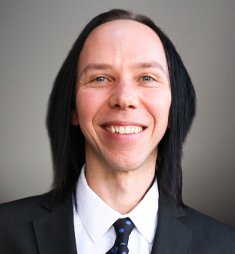
With a brand that says as much as JohnHart’s, Senior Copywriter Seth Styles never finds himself at a loss for words. Responsible for maintaining the voice of the company, he spends each day drafting marketing materials, blogs, bios, and agent resources that speak from the company’s collective mind and Hart… errr, heart.
Having spent over a decade in creative roles across a variety of industries, Seth brings with him vast experience in SEO practices, digital marketing, and all manner of professional writing with particular strength in blogging, content creation, and brand building. Gratitude, passion, and sincerity remain core tenets of his unwavering work ethic. The landscape of the industry changes daily, paralleling JohnHart’s efforts to {re}define real estate, but Seth works to maintain the company’s consistent message while offering both agents and clients a new echelon of service.
When not preserving the JohnHart essence in stirring copy, Seth puts his efforts into writing and illustrating an ongoing series entitled The Death of Romance. In addition, he adores spending quality time with his girlfriend and Romeo (his long-haired chihuahua mix), watching ‘70s and ‘80s horror movies, and reading (with a particular penchant for Victorian horror novels and authors Yukio Mishima and Bret Easton Ellis). He also occasionally records music as the vocalist and songwriter for his glam rock band, Peppermint Pumpkin.
.jpg)


