

You think you’ve got a hard day ahead of you? Somewhere, someone in Hollywood is waking up to the colossal task of turning some of the world’s most objectively beautiful celebrities into pop culture’s most hideous monsters. It’s a year-round job for the entertainment industry’s FX makeup artist masters. But as Halloween approaches, their creature creations crawl from the shadows into the spotlight of the national stage, setting alight imaginations (and maybe even a few nightlights).
Greg Nicotero: Bringing Imagination to Life (or Undeath)
When it comes to today’s FX makeup artist leaders, few names are as recognized as Greg Nicotero, co-founder of KNB EFX Group. Much of this recognition is from his boundary-breaking work on The Walking Dead, which, in its prime, was one of the most-watched shows on TV, netting over 13 million live viewers per episode. While characters and drama were central to that popularity, the show would have struggled to meet those numbers without Nicotero’s innovative mastery of FX makeup.
The Walking Dead may have amplified Nicotero’s status, but he was well-known in the industry and among horror aficionados for decades prior. His first “major” feature was George A. Romero’s Day of the Dead, assisting one of the most-recognized FX artists of all time, Tom Savini. We’ll get to him in a moment.
Day of the Dead is often regarded as an overall weaker film than Romero’s prior entries in the series, the classic Night of the Living Dead and the lore-expanding Dawn of the Dead. But the makeup and effects employed in the film presented some of the most horrifying takes on zombies to date, rendering Day of the Dead a cult classic. Anyone who’s seen the film will never forget a jawless, groaning corpse shambling through a humid Florida morning as the title blazes across the screen.
Nicotero is now regarded as a major figure in the hall of fame of FX artists. Other films that have benefited from his vision include Evil Dead II, Scream, House on Haunted Hill, Kill Bill (Volume 1 and 2), The Mist, and a lot more.
Tom Savini: The Prosthetic Pro Who Brought More to Gore

The aforementioned Tom Savini may be the most recognized of all FX artists by modern horror fans, with his star largely rising along with horror pioneer George A. Romero’s, the director largely responsible for the popularity of zombies in horror films over the decades. Savini has mentioned taking particular pride in his work on the 1981 bayonet-brandishing slasher film The Prowler. While that may be a deep cut (har-har) for casual horror fans, you’ve almost certainly seen Savini’s work as an FX makeup artist on such iconic films as Friday the 13th, Dawn of the Dead, and Creepshow. More recently, he designed the Grabber’s mask in The Black Phone.
Savini tends to lean heavily into gore effects, employing prosthetics and geysers of blood to create nightmarish impressions at once lifelike and larger than life. Students of the craft marvel at his ingenuity, which led the legend to found Tom Savini’s Special Make-Up Effects Program at the Douglas Education Center in Monessen, Pennsylvania. Much of Savini’s overflow is referred directly to students of his program.
Aside from his reputation as an in-demand FX makeup artist, Savini has made a name for himself in the eye of the camera’s lens, acting in films like From Dusk till Dawn, Django Unchained, and Terrifier 3.
Rob Bottin: Reshaping the Face of Horror
A blog about the movie magic worked by Hollywood’s FX makeup artist elite would be remiss without a mention of John Carpenter’s remake of The Thing. And that means a spotlight on another luminary of FX work, Rob Bottin. With The Thing, Bottin was tasked with bringing to life a creature that violently integrated other lifeforms. While it ultimately would take the shape of its victim, the transitional phases during these assimilations inspired some of the most frighteningly memorable practical effects ever committed to film.
Besides giving haunting shape to the shapeless, Bottin has had his hand in some of the biggest FX-laden films of modern cinema. Star Wars, RoboCop, Se7en, and Fight Club all benefited from his skill as an FX makeup artist. His ingenious orchestration of latex applications and air bladders gave us arguably the most impressive werewolf transformation in cinema with 1981’s The Howling. And, though he’s largely retired these days, Bottin returned briefly in 2014 to lend his insights to practical effects for one of the biggest TV shows of the time, HBO’s Game of Thrones.
Rick Baker: It Starts with an Exorcism
If there is a werewolf transformation that could give The Howling a run for its money, it would be the one at the center of 1981’s An American Werewolf in London. And that makes sense. Because it was the work of the FX makeup artist who had mentored Bottin, Rick Baker. One of Baker’s first gigs was spent assisting prosthetic FX makeup artist Dick Smith, a legend in his own right, on 1973’s The Exorcist. Not a shabby place to start your career!
Since then, Baker has left traces of his vision all over pop culture. The werecat from Michael Jackson’s video for “Thriller”? Cantina creatures in the original Star Wars? That haunting closet scene that kicks off 2002’s The Ring? All Rick Baker. While he’s largely retired from the industry now, bowing out with his makeup designs in 2014’s Maleficent, Baker leaves a sprawling catalog of work behind, sure to inspire future waves of practical FX makeup artist hopefuls for decades to come.
The Career of a Hollywood FX Makeup Artist

You’ve likely seen Hollywood’s leading celebrities go on talk shows to share the grueling hours spent in makeup chairs for blockbuster roles in superhero films. But you rarely hear from the person sharing those hours with them. The FX makeup artist doesn’t sit back in a chair and wait for the magic to happen. They weave the spell that captivates us, plying their trade to turn everyone from background actors and stunt professionals to Hollywood’s leading stars into otherworldly works of art.
An FX makeup artist typically begins with concept art and sketches long before they begin breaking out the brushes or laying down any prosthetics. Next, they often sculpt maquettes; basically, rough drafts in scale model form. Then, they focus on the task of creating the silicone or foam latex prosthetics to apply to the talent. From there, the artist gets even more hands-on, using professional makeup to blend prosthetics into the talent’s skin while adding nuances and textured detail, all while facing unforgiving deadlines.
Hollywood blockbusters continue to lean heavily on CGI, but some savvy studios are coming around to the fact that practical effects are still very much appreciated and, in many cases, preferred – when done well, of course. These days, it’s exceedingly rare to find a widely distributed film that employs practical effects exclusively. But CGI didn’t kill the FX makeup artist. Modern horror films and blockbusters alike have achieved great feats in augmenting practical effects with CGI touches for the best of both worlds. Actors have professed that the practical effects lend to more organic performances than those that rely solely on green screens and careful editing.
FX Makeup Beyond the Screen

Halloween offers the rare occasion when Hollywood’s creatures leave the silver screens and the laboratories of FX makeup artist visionaries to haunt the real world. Burbank, where JohnHart is headquartered, is particularly a hot spot for home haunts and yard mazes populated by Hollywood-grade makeup FX, since so many artists call the studio-adjacent community home.
All year round, stretches of Magnolia Boulevard cater to horror fans with everything from memorabilia and merchandise to professional makeup and materials to create special FX. But these same spots see a surge during the Halloween season as droves come out searching for high-quality masks, makeup, and accessories. In September and October, these suppliers reach beyond the entertainment industry and the year-round fans, stretching into seasonal attractions, theme parks, and even influencer videos and photo shoots.
The FX Makeup Artist Behind Your Favorite Monsters
This all leads to the underlying message: that the FX makeup artist is often the unsung hero behind the most memorable horror, fantasy, sci-fi, and blockbuster productions. You know their work, but only industry insiders and a niche of intensely devoted fans know their names. Yet, they manage to bring to life not just ideas from their own creative artistry, but ideas that we as a collective society regard with awe and terror. Turning the concepts of horror into palpably visual nightmares is no small feat.

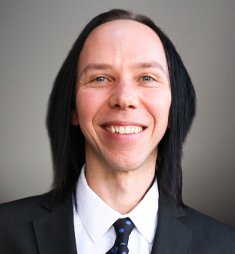
With a brand that says as much as JohnHart’s, Senior Copywriter Seth Styles never finds himself at a loss for words. Responsible for maintaining the voice of the company, he spends each day drafting marketing materials, blogs, bios, and agent resources that speak from the company’s collective mind and Hart… errr, heart.
Having spent over a decade in creative roles across a variety of industries, Seth brings with him vast experience in SEO practices, digital marketing, and all manner of professional writing with particular strength in blogging, content creation, and brand building. Gratitude, passion, and sincerity remain core tenets of his unwavering work ethic. The landscape of the industry changes daily, paralleling JohnHart’s efforts to {re}define real estate, but Seth works to maintain the company’s consistent message while offering both agents and clients a new echelon of service.
When not preserving the JohnHart essence in stirring copy, Seth puts his efforts into writing and illustrating an ongoing series entitled The Death of Romance. In addition, he adores spending quality time with his girlfriend and Romeo (his long-haired chihuahua mix), watching ‘70s and ‘80s horror movies, and reading (with a particular penchant for Victorian horror novels and authors Yukio Mishima and Bret Easton Ellis). He also occasionally records music as the vocalist and songwriter for his glam rock band, Peppermint Pumpkin.


.jpg)