Featured image credit: Carol M. Highsmith
A desert may seem like an unlikely place to plant a golf course, but try telling that to anyone in Palm Springs. Verdant green links pepper the Coachella Valley’s planned communities in the likes of Palm Springs, Palm Desert, Rancho Mirage, La Quinta, Indian Wells, Cathedral City – you name it. In fact, the Coachella Valley boasts the highest concentration of golf courses in the world, numbering up to 124 in the area. It should come as no surprise that this is all by intentional design.
The Dude Ranch That Started It All

Well before the planned communities, a hotelier by the name of Frank Bogert decided to develop 663 acres of land in Rancho Mirage for the Thunderbird Ranch in 1946. For those living in Hollywood, Thunderbird Ranch offered the most conveniently located authentic dude ranch experience. There was just one prominent shortcoming: the LA crowd wanted to golf, and the best the area could muster was a nine-hole course.
This complaint attracted the attention of amateur golfer Johnny Dawson. Inspired, he promptly purchased Thunderbird Ranch from Bogert, repurposing it into the Thunderbird Country Club in 1951. And, yes, it had the Coachella Valley’s very first 18-hole golf course. As far as planned communities go, Thunderbird Country Club was off to an elite start. Early investors included luminaries like Bob Hope, Bing Crosby, Lucille Ball, and Desi Arnaz. The latter couple lived in a home that overlooked the ninth and 18th fairways. Thunderbird Country Club also pioneered the model of building homes directly onto the golf course, a design that would be popularized for its fusion of real estate and attractive amenities.
How This Became the Winning Formula for Coachella Valley’s Planned Communities
The rest of the Coachella Valley noticed when Thunderbird Country Club illustrated how beautifully planned communities could package homes and a convenient, full-course golfing experience together. Mimics started to pop up across the valley starting in the 1950s and extending well past the ‘60s. Planned communities took root in Tamarisk, Indian Wells, and Bermuda Dunes with an army of additional developments at their heels. And everyone was built around either a private or resort-style golf course. By 1985, a trade account estimated that the Coachella Valley had established around 60 courses with over 20 more on the way. By sticking to this script, the area now holds well over 100 golf courses.
The Surprising Hospitality of the Desert

The logistics of golf courses in the arid Coachella Valley may seem like a nightmare. But in those days, the desert land was exceedingly cheap, and water could be drafted in from the Colorado River Aqueduct and, eventually, the All-American Canal. Residents rarely had to worry about winter gloom, turning golf into an evergreen sport rather than a seasonal one. By pulling in permanent residents, seasonal snowbirds, and tourists alike, developers were able to sustain these planned communities much more easily than they would have virtually anywhere else.
An Enduring Tradition
If anything, the decades have only further contributed to this Coachella Valley phenomenon. It seems like you can’t putt a golf ball without hitting one of these planned communities centered around a golf course or resort-style clubhouse. But it’s still a strong model. It’s why so much of the area’s housing market, from mid-century modern masterpieces to new construction, prioritizes a fairway view. It’s almost tradition at this point!
By the way, if you’re interested in the intersection of professional sports and real estate, make sure to follow the JohnHart Sports & Entertainment Instagram page!

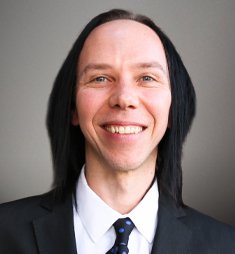
With a brand that says as much as JohnHart’s, Senior Copywriter Seth Styles never finds himself at a loss for words. Responsible for maintaining the voice of the company, he spends each day drafting marketing materials, blogs, bios, and agent resources that speak from the company’s collective mind and Hart… errr, heart.
Having spent over a decade in creative roles across a variety of industries, Seth brings with him vast experience in SEO practices, digital marketing, and all manner of professional writing with particular strength in blogging, content creation, and brand building. Gratitude, passion, and sincerity remain core tenets of his unwavering work ethic. The landscape of the industry changes daily, paralleling JohnHart’s efforts to {re}define real estate, but Seth works to maintain the company’s consistent message while offering both agents and clients a new echelon of service.
When not preserving the JohnHart essence in stirring copy, Seth puts his efforts into writing and illustrating an ongoing series entitled The Death of Romance. In addition, he adores spending quality time with his girlfriend and Romeo (his long-haired chihuahua mix), watching ‘70s and ‘80s horror movies, and reading (with a particular penchant for Victorian horror novels and authors Yukio Mishima and Bret Easton Ellis). He also occasionally records music as the vocalist and songwriter for his glam rock band, Peppermint Pumpkin.